
How to Choose Granite Paving Stone for Landscape Projects
Learn how importers, contractors and landscape buyers can choose the right granite paving stone by finish, size, thickness, packing and project use.

Landscape Stone Guide
Learn how importers, contractors and landscape buyers can choose the right granite paving stone by finish, size, thickness, packing and project use.
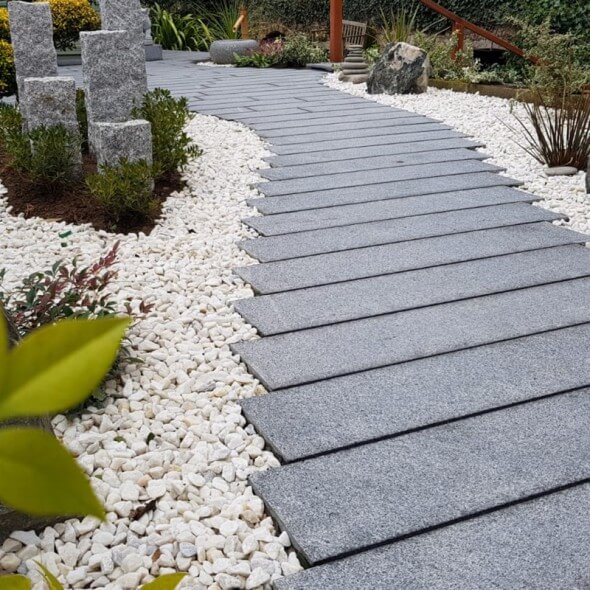
Granite paving stone is widely used in walkways, plazas, patios, municipal areas and commercial outdoor projects because it combines durability, natural texture and long-term weather resistance. For importers and contractors, the main question is usually not whether granite is suitable, but which specification is suitable for the project.
Start with the real project use
A better place to start is the real project use, because that usually decides everything that follows. Granite paving stone for a private garden path is very different from paving stone used in a public plaza or a hotel entrance. Buyers should confirm whether the area will carry foot traffic only or whether it will also face vehicles, service equipment or high-frequency commercial use. The installation method also matters, because dry-laid paving, mortar-based installation and pedestal-supported systems do not require exactly the same stone thickness or processing standard.
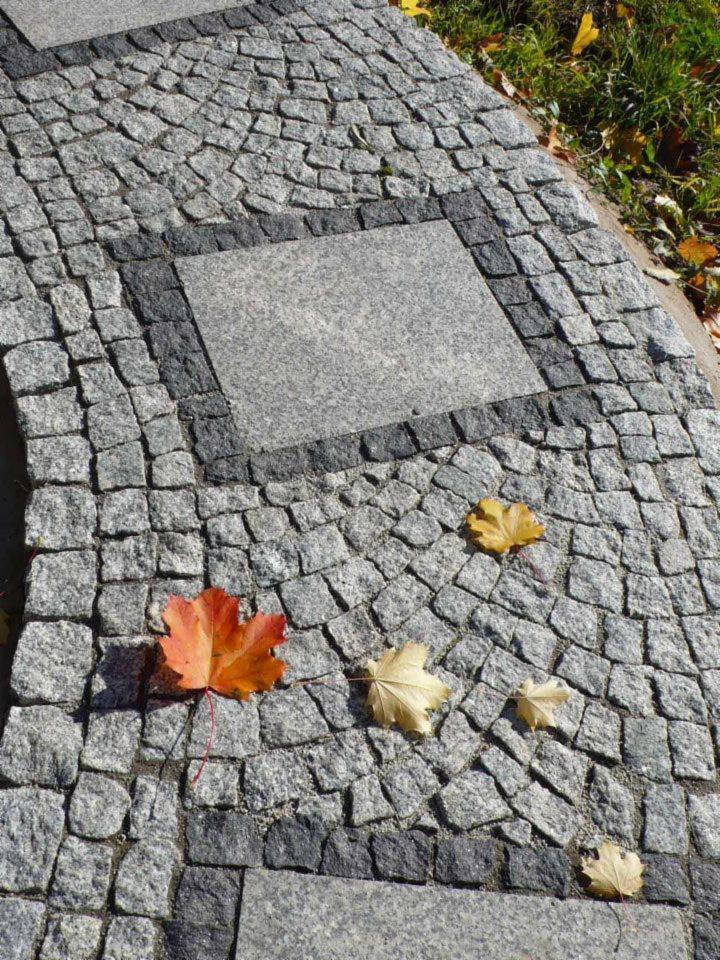
Surface finish is one of the most important decisions. Flamed granite paving stone is often preferred for outdoor anti-slip performance. Bush-hammered finishes create stronger texture and are widely used in public projects. Honed finishes can work where a cleaner and more refined visual effect is required, while antique finishes are often preferred for more traditional landscape styles. The right finish should balance design intent with practical slip resistance.
Choose finish and size carefully
Size and thickness should be discussed early, even before the final order quantity is fixed. Many quotation delays happen because buyers ask for prices without a clear idea of dimensions. At a minimum, a supplier should know whether the project requires modular paving, repeated sizes, custom cut-to-size pieces or mixed patterns. Thickness should be matched to the installation method and expected load, not selected only by price.
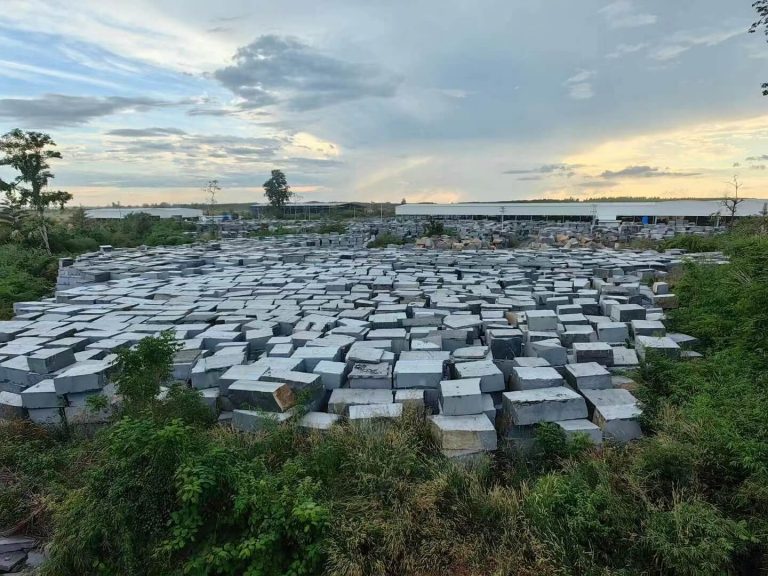
Buyers should also pay attention to color consistency and packing. Granite is a natural material, and different batches can vary slightly in tone and grain. That becomes even more important for distributors and project contractors who need repeat supply. Strong export packing is equally important. Good suppliers should explain pallet structure, crate protection, separator materials and container loading logic to reduce breakage during shipment.
Check consistency, packing and quotation detail
In a real enquiry, a useful enquiry should include finish, approximate size, thickness, quantity and destination market. If project drawings are available, the quotation can become much more accurate. A detailed quotation with clear specifications is usually more valuable than a low quotation that leaves important details undefined.
If you are currently sourcing granite paving stone for landscape or commercial projects, the best approach is to send your size, finish, thickness and quantity requirements together with the destination market. That makes it easier to receive useful pricing, practical product recommendations and export-ready packing suggestions.
Related Product Pages
Granite Paving Stone and Garden MaterialsGranite Tiles and Paving StoneRequest Pricing or Samples
Planning a paving order?
Send finish, size, thickness, quantity and destination market to receive a more practical quotation for granite paving stone. Contact our export team.